

Choosing the right stationary bike can make a big difference in your comfort, consistency, and overall fitness results. In the United States, two types of stationary bikes dominate home and gym settings: recumbent bikes and upright bikes. While both offer effective cardiovascular workouts, they differ in design, muscle engagement, and user experience. Understanding the strengths and limitations of each style can help you decide which option suits your fitness level, personal needs, and long-term goals.
Understanding the Recumbent Bike
A recumbent stationary bike places the rider in a reclined position with a wide seat, back support, and pedals positioned in front rather than below the body. This layout creates a more relaxed riding posture and reduces stress on the spine, hips, and wrists. Because the seat is larger and lower to the ground, many users find recumbent bikes easier to mount and more stable during use.
One of the biggest advantages of a recumbent bike is comfort. People with lower-back discomfort, balance challenges, or joint limitations often prefer this style because it minimizes the pressure that upright bikes may place on the body. The reclined posture also reduces strain on the neck and shoulders, making recumbent bikes ideal for longer, steady-state cardio sessions.
However, while recumbent bikes offer excellent support, they typically engage fewer upper-body muscles compared to upright bikes. They also may not mimic outdoor cycling as closely, which could matter to riders training for outdoor events.
Understanding the Upright Bike
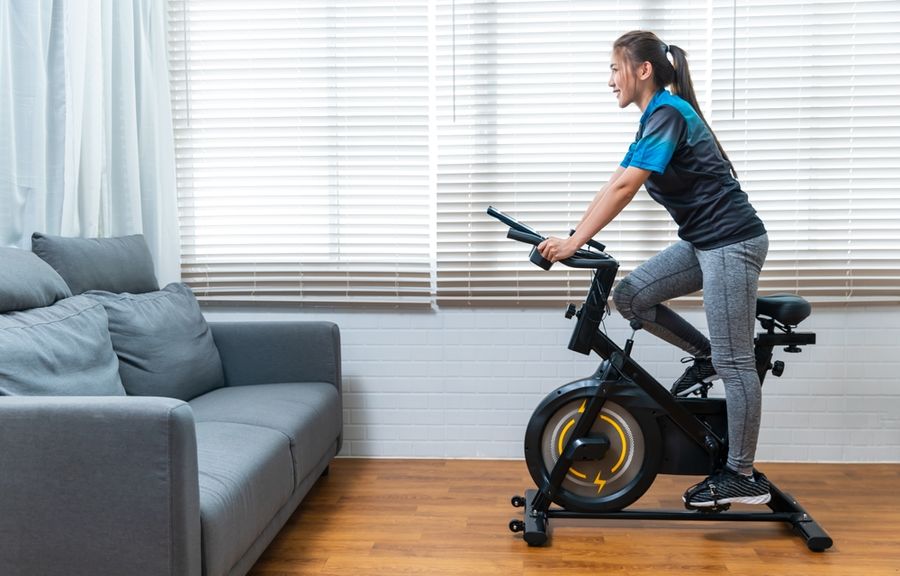
An upright stationary bike resembles a traditional outdoor bicycle. The seat is small and elevated, and the pedals sit directly beneath the rider. This positioning encourages a forward-leaning posture and engages a wide range of muscles, including the core, upper body, and stabilizing muscles around the hips.
Upright bikes are often chosen by people who want a workout that feels closer to outdoor cycling. They allow for greater intensity options, including standing pedaling, interval training, and hill-climb simulations. Because upright bikes activate more muscle groups, particularly in the core and upper body, they may burn slightly more calories during vigorous sessions compared to recumbent bikes.
The trade-off is comfort. The upright bike’s narrow seat and forward posture can lead to discomfort during long rides, particularly for beginners. People with wrist, back, or neck sensitivity may also find upright bikes harder to sustain for extended periods.
Comparing Workouts: Which Bike Fits Your Goals?
Both recumbent and upright bikes support heart health, endurance building, and lower-body strengthening. However, the experience differs based on the bike’s design.
If your goal is low-impact exercise with minimal joint strain, the recumbent bike may be the better choice. Its stable seating and back support provide a safer option for users recovering from certain injuries, older adults, or anyone seeking gentle but effective exercise. Because the riding position is comfortable, many people find it easier to complete longer workouts without fatigue from posture alone.
If your goal is higher-intensity training, calorie burning, or working multiple muscle groups at once, the upright bike may offer more challenge. The ability to pedal while standing helps increase workout intensity, and the upright posture contributes to improved balance and coordination. This can be especially useful for individuals who want a workout that transitions well to outdoor cycling.
Practical Considerations for Home Use
When deciding which bike to bring into your home, comfort, available space, and routine play important roles. Recumbent bikes take up more floor space due to their longer frame, but they offer a more relaxed and accessible setup. Upright bikes take up less space and are more similar to traditional gym equipment, making them ideal for compact workout areas.
Noise levels between the two are usually comparable, depending on the resistance system. Magnetic resistance models, common in both categories, tend to operate quietly. Consider how much time you plan to spend riding—if your sessions run 45 minutes to an hour, comfort becomes a bigger factor. If you prefer fast, intense workouts, the upright bike may fit better into short exercise windows.
Regardless of your choice, consistency matters most. The best bike is the one you feel motivated to use regularly.
Choosing the Right Bike for Your Body and Goals
Both recumbent and upright stationary bikes offer strong benefits, but the right option depends on your comfort needs, fitness goals, and preferred workout style. Recumbent bikes deliver gentle, accessible exercise with outstanding support, making them ideal for low-impact routines.
Upright bikes provide more intensity and broader muscle activation for those seeking a challenging, dynamic ride. By prioritizing your personal needs and how you plan to use the bike, you can select the one that supports healthier, more enjoyable workouts over the long term.