

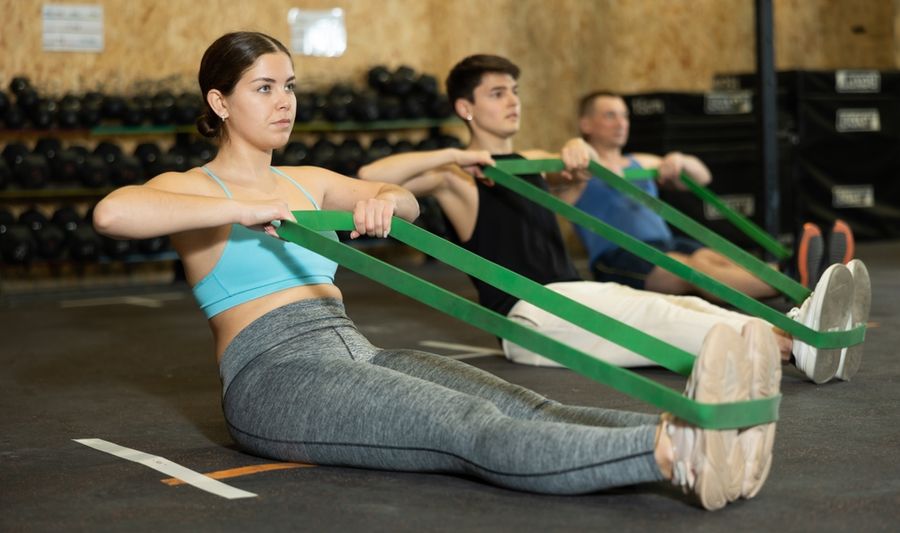
Maintaining healthy joints becomes more important as daily activities, work habits, and age place added stress on the body. Many people in the United States use resistance bands as part of their mobility routines because they offer gentle, controlled movement that supports flexibility and strength without heavy equipment. Resistance bands are portable, easy to use, and suitable for all fitness levels. Understand how to keep your joints stable, reduce stiffness, and improve overall mobility.
Why Resistance Bands Support Joint Mobility
Resistance bands provide smooth and even tension, making them ideal for joint-friendly exercise. Unlike weights, which rely on gravity and can create uneven pressure, bands allow you to control the movement from start to finish. This reduces strain on sensitive joints while still offering enough resistance to build strength in surrounding muscles.
Stronger muscles act as natural support systems for your joints. When you improve strength in your shoulders, hips, knees, or ankles, you help those joints move more efficiently. Resistance bands also encourage better range of motion because they allow you to stretch and strengthen through controlled pathways. As a result, daily movements like bending, reaching, and walking feel easier and more comfortable.
Building a Simple Daily Mobility Routine
A good mobility routine doesn’t need to be long or complicated. In fact, just a few minutes of resistance band exercises each day can make a noticeable difference in how your joints feel. Start by choosing a light or medium band. This helps you perform each movement with proper control and reduces the risk of strain.
Begin your routine with slow, gentle warmups such as shoulder rolls or light marching in place. Warming up increases blood flow and prepares your joints for movement. Then introduce band exercises that focus on major areas like shoulders, hips, and knees. For instance, band pull-aparts help strengthen the upper back and shoulder muscles, which support healthy shoulder joints. Hip band walks strengthen the glutes and stabilize the hip area during movement.
Two helpful tips when building your routine include:
- Perform each movement slowly so you can focus on control rather than speed.
- Keep the resistance moderate to ensure your joints move smoothly without discomfort.
Repeating these exercises daily helps reinforce stability and flexibility in your joints over time.
Key Movements for Common Joint Areas
Different joints benefit from specific mobility exercises, and resistance bands make it easy to target each area safely. For shoulders, band external rotations help improve strength in the rotator cuff, which stabilizes the shoulder joint. These movements also assist in reducing tension caused by long hours of sitting or working at a computer.
For hips and knees, banded squats and lateral steps build strength in the glutes and thigh muscles. This support helps relieve stress on the knee joints and improves hip alignment during walking or standing. Maintaining strong hips is especially helpful for people who spend much of their day sitting.
Ankles also benefit from simple band exercises. Ankle flexion and extension movements with a light band increase stability and control, which helps prevent stiffness and supports better balance. Improved ankle function can make walking, climbing stairs, and everyday movement feel more stable and comfortable.
Because bands come in different resistance levels, you can gradually increase intensity as your mobility improves. The goal is smooth, pain-free movement—not maximum resistance.
Staying Consistent and Avoiding Overuse
Consistency is the key to improving joint health. Daily practice helps reinforce good movement patterns and keeps stiffness from building up. However, it’s equally important to avoid overuse. Even gentle exercises can cause strain if done too aggressively or without proper rest.
Listening to your body is essential. If you notice discomfort beyond mild muscle fatigue, reduce the resistance or shorten the session. Resistance band mobility routines should feel supportive, not stressful. Varying exercises slightly from day to day can also help prevent irritation in sensitive joints. For example, alternate between shoulder-focused routines one day and hip-focused routines the next.
Maintaining good posture during each movement protects your joints and ensures the exercises target the correct muscles. Over time, you may find the routine becomes easier, your movements feel smoother, and daily activities require less effort.
Supporting Long-Term Joint Health With Simple Tools
Resistance bands offer an effective and accessible way to support joint mobility through daily practice. With gentle tension and controlled movements, they help strengthen muscles, increase flexibility, and improve stability in major joint areas.
A simple routine performed consistently can reduce stiffness, ease everyday strain, and support long-term comfort. Whether you’re managing tightness from sitting, addressing mild discomfort, or wanting to keep your joints healthy as you age, resistance band mobility routines provide a practical and reliable solution for better movement.