

Managing energy use at home has become increasingly important, especially as households adopt more connected devices and appliances. A smart home energy monitoring system helps you understand how much electricity you use, when you use it, and where savings can be found. Fortunately, building a simple system does not require advanced technical skills. By combining user-friendly tools and thoughtful habits, you can track energy consumption more effectively and make smarter decisions that reduce waste.
1) Start With a Whole-Home Energy Monitor
A whole-home energy monitor provides a broad overview of how much electricity your home uses throughout the day. These devices typically connect to your electrical panel and use sensors to measure total consumption. Once installed, they send real-time data to a mobile app or dashboard, allowing you to see patterns such as peak usage hours or sudden spikes when large appliances run.
The biggest advantage of a whole-home monitor is that it gives you a clear baseline before diving into specific areas of your home. With this information, you can identify whether your overall energy use is steady, rising, or unexpectedly high. From there, you can investigate appliances or routines that contribute the most to your consumption. Whole-home monitors are often the foundation upon which other smart energy tools build.
2) Use Smart Plugs to Track Individual Devices
Smart plugs are one of the simplest ways to monitor energy use at the device level. Plugging an appliance into a smart plug allows you to see how much electricity that device uses in real time. Many models also include scheduling features, allowing you to turn devices on or off automatically based on your routine.
Smart plugs are especially useful for smaller appliances such as fans, lamps, coffee makers, and computers. Over time, you may notice that certain devices consume more energy than expected, even when idle. With this information, you can unplug unused items, adjust schedules, or replace older devices with more efficient models.
Two helpful ways to use smart plugs include:
- Monitoring home office equipment to understand its daily energy impact.
- Turning off entertainment devices overnight to prevent standby power waste.
By tracking energy at the device level, you build a clearer picture of where to focus your conservation efforts.
3) Connect Smart Thermostats for Heating and Cooling Efficiency
Heating and cooling systems represent a large share of household energy use, which makes a smart thermostat a powerful tool for monitoring and reducing consumption. Smart thermostats allow you to see how often your heating or cooling system runs, view temperature trends, and adjust settings from your phone. Many models include eco-friendly modes that automatically reduce energy use during certain hours or when no one is home.
Over time, the data from a smart thermostat shows patterns such as how long it takes your home to heat or cool, which temperatures are most efficient, and how weather affects your energy usage. With this information, you can fine-tune your settings to match your comfort level while cutting back on unnecessary heating and cooling.
Smart thermostats also support scheduling, ensuring your system only runs when needed. These features make them an essential part of a simple energy monitoring system.
4) Use Energy Dashboards to Bring Everything Together
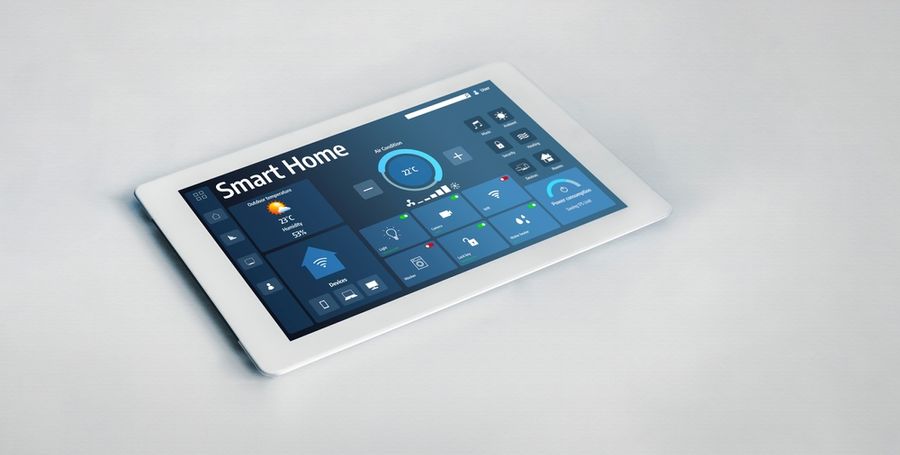
As you add more smart devices to your home, an energy dashboard becomes helpful for organizing information in one place. Dashboards can come from whole-home monitors, smart-home hubs, or energy utility apps. They allow you to track everything from thermostat usage to device-level data collected from smart plugs.
A good dashboard shows trends over days, weeks, or months. It helps highlight unusual spikes in energy use or times when consumption dips. When all your data is visible in one view, it becomes easier to adjust habits and spot problems early, such as an appliance that suddenly draws more power than normal.
Dashboards also encourage long-term awareness. Seeing your energy patterns evolve over time helps reinforce better habits and makes the results of your efforts more rewarding.
5) Automate Energy-Saving Actions With Smart Home Routines
Once you have monitoring tools in place, the final step is automation. Smart home platforms allow you to set routines that reduce energy use automatically. For example, you can schedule smart plugs to turn off at certain times or set your thermostat to switch to an energy-saving temperature when you leave the house.
Automation helps you stay consistent without needing to remember every detail. Small adjustments add up—turning off devices overnight, reducing heating during work hours, or dimming lights in the evening can significantly lower overall consumption.
Smart routines also make energy-saving feel effortless. When your home automatically manages small tasks, you can focus on daily life while still improving efficiency.
Building an Energy-Smart Home Step by Step
Creating a simple smart home energy monitoring system doesn’t require advanced tech knowledge or expensive equipment. By starting with a whole-home monitor, tracking individual devices, using smart thermostats, consolidating your data, and adding automation, you can build a clear and effective system that supports better energy habits.
These strategies make your home more efficient, reduce waste, and help you understand how everyday routines affect energy use. With thoughtful use of technology, you can take meaningful steps toward a more efficient and sustainable home.