

Staying productive during a busy week can feel overwhelming, especially when every task seems important. Many people in the United States use the Eisenhower Matrix, a simple time-management tool, to organize responsibilities and focus on what matters most. By sorting tasks based on urgency and importance, the method helps reduce stress and improve decision-making. Understand how the Eisenhower Matrix makes it easier to plan your week and avoid last-minute pressure.
Understanding the Eisenhower Matrix
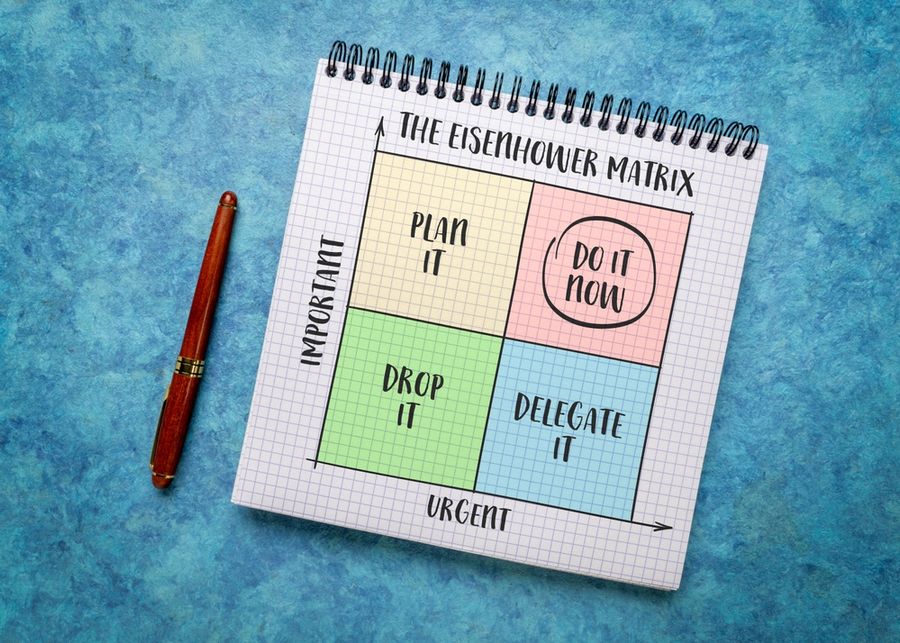
The Eisenhower Matrix divides tasks into four categories: urgent and important, important but not urgent, urgent but not important, and neither urgent nor important. Each category guides you toward taking the right action. Urgent and important tasks require immediate attention, such as deadlines or time-sensitive responsibilities. Important but not urgent tasks relate to long-term progress, like skill development or planning ahead.
Urgent but not important tasks often involve quick decisions or requests that can be delegated. Tasks that fall into neither category may be distractions that add little value to your week. The strength of the Eisenhower Matrix lies in how it clarifies priorities. Instead of reacting to everything at once, you gain a clearer view of what truly deserves your time.
Building Your Weekly Matrix
Start by listing all the tasks you need to complete during the upcoming week. This includes work responsibilities, personal errands, appointments, and ongoing projects. Once everything is written out, place each task into the appropriate quadrant of the Eisenhower Matrix.
Here are two simple steps that make sorting easier:
- Ask yourself whether the task affects your goals or obligations in a meaningful way.
- Consider whether the task must be done this week or can be scheduled for later.
As you sort each item, the structure of your week becomes clearer. Urgent and important tasks form your top priorities. Important but not urgent tasks can be scheduled into time blocks. Urgent but not important tasks may be assigned to others or handled quickly. Tasks in the final category can often be removed entirely, helping free up mental space.
Putting the Matrix Into Action
Once your matrix is complete, begin working through the quadrants in order of priority. Start with urgent and important tasks. These are your high-impact responsibilities and should be the focus of your early week or early day. Completing them first helps prevent stress and avoids rushing as deadlines approach.
Next, schedule time for the important but not urgent tasks. These tasks often lead to the biggest improvements in your life and work. They may include planning, exercise, creative projects, or long-term goals. Because these tasks are easy to delay, scheduling them directly into your calendar helps ensure they receive the attention they deserve.
Urgent but not important tasks can be handled quickly or delegated when possible. If delegation isn’t an option, set a short time limit so they don’t interrupt higher priorities. Tasks that fall into the final quadrant—neither urgent nor important—should be reassessed. Some can be postponed, while others can be removed altogether to reduce clutter in your schedule.
Adjusting the Matrix as Your Week Changes
Weekly priorities can shift quickly, and the Eisenhower Matrix works best when reviewed regularly. Set aside a few minutes each morning or evening to update the quadrants. Move tasks as urgency or importance changes. For example, a project due next month may move from “important but not urgent” to “urgent and important” once the deadline approaches.
This flexibility helps the matrix stay useful even during unpredictable weeks. It also improves your ability to recognize patterns. You may notice that certain tasks repeatedly fall into low-value quadrants, signaling that they may not be worth your time. You may also identify habits that help prevent urgent crises, such as scheduling important tasks earlier in the week.
By adjusting your matrix, you maintain control over your workload and keep your priorities aligned with your goals.
A Clearer Path to Productive Weeks
Using the Eisenhower Matrix provides a reliable way to manage weekly tasks without feeling overwhelmed. By separating urgency from importance, you gain clarity and control over how your time is spent. The matrix encourages better planning, reduces stress, and strengthens long-term focus.
Whether you’re managing work projects, personal responsibilities, or a mix of both, this simple method helps bring order to busy schedules. With consistent use, the Eisenhower Matrix supports a more balanced, productive, and intentional weekly routine.