

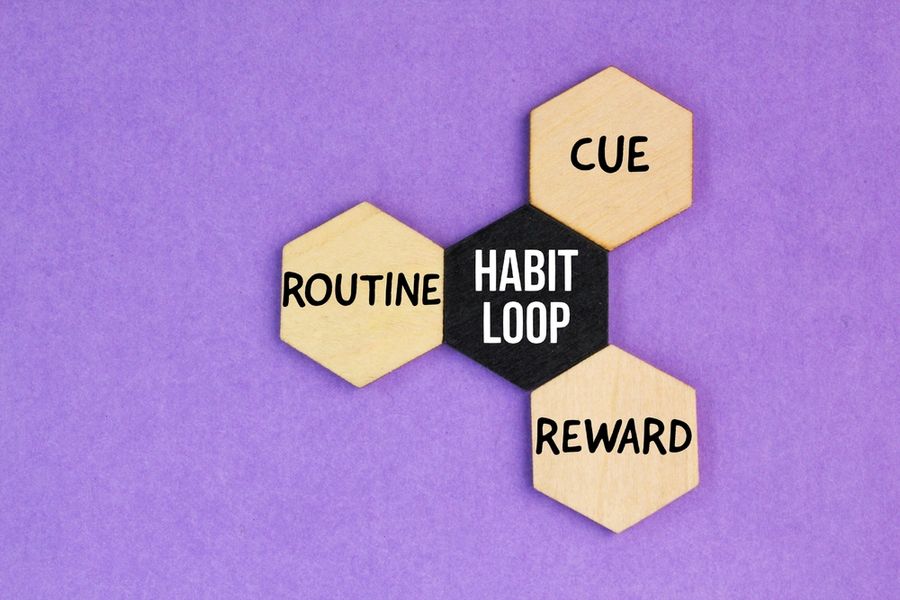
Building lasting habits becomes far easier when you understand the simple psychology behind why actions stick. The cue-routine-reward system offers a clear framework for shaping behavior by linking a specific trigger to a consistent action and a satisfying outcome. When key elements reinforce one another, they create a predictable loop your brain begins to follow automatically. By learning how each part works, you can intentionally design routines that feel natural and support meaningful, long-term change.
Understanding the Cue-Routine-Reward Framework
The cue-routine-reward structure is based on how the brain forms habits. A cue acts as the trigger that starts the behavior. This could be a time of day, an emotion, or a specific situation. The routine is the action you want to perform, such as stretching, reading, or drinking more water. The reward is the positive result you associate with the action, which encourages your brain to repeat the behavior in the future.
Using cards makes each part easier to understand. You can visually map out what will trigger your new habit, what you need to do when the cue appears, and how you will reward yourself afterward. This clear structure increases your chances of success because it turns abstract goals into simple, concrete steps.
Creating Your Cue-Routine-Reward Cards
Cue-routine-reward cards can be made with index cards, sticky notes, or digital cards on your phone. The important part is keeping the design simple so you can refer to them quickly. Each card should clearly describe the cue, the routine, and the reward. Keeping the wording short and direct helps reduce confusion, especially when you are trying to build a new habit.
Here are two helpful tips to design strong cards:
- Make one card per habit loop so you can review them easily.
- Place the cards where you will see them during your day, such as on your desk or next to your morning coffee supplies.
Clear visibility helps reinforce the habit and keeps your mind focused on the new behavior you want to build.
Putting the Cards Into Daily Use
Once your cards are ready, the next step is putting them to work. Start with one habit at a time so you don’t overwhelm your schedule. When the cue happens—whether it is waking up, finishing lunch, or arriving home—pause for a moment and check the card. Remind yourself of what you planned. This helps your brain connect the cue with the new routine you want to follow.
It’s important to stay consistent. Even if the routine feels unnatural at first, repeating it strengthens the habit loop. Over time, the cue will automatically trigger the behavior without much thought. Eventually, the card becomes a backup tool rather than something you need every day. Many people keep their cards visible for at least a few weeks to stay grounded in the new pattern.
Adjusting the Loop to Improve Success
As you get comfortable using cue-routine-reward cards, you may discover that some habits work better than others. This is normal and part of the process. Sometimes the cue you chose isn’t strong enough, or the reward isn’t motivating. Small adjustments can help improve the loop. For example, you might switch your cue from a specific time of day to an action you already do consistently, like brushing your teeth or making breakfast.
Rewards may also need updating. Some habits benefit from simple rewards, such as checking off a box or enjoying a short break. Others may need something more meaningful, such as time spent on a favorite hobby. The key is finding a reward that feels satisfying enough for your brain to recognize the benefit of sticking with the habit.
A Simple System for Lasting Change
Using cue-routine-reward cards is a powerful way to build habits that last. By breaking a goal into small, clear parts, you make it easier for your mind to follow a predictable loop that reinforces itself over time.
These cards offer structure, direction, and motivation, helping you turn your intentions into daily actions. Whether you’re building new wellness habits, improving productivity, or strengthening positive routines, this method offers a straightforward and effective way to support long-term change.