

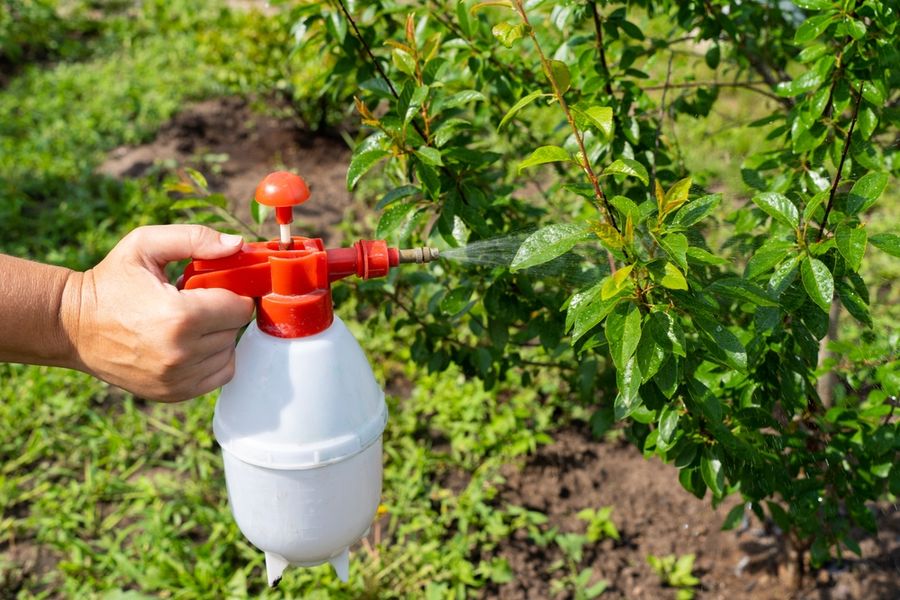
Natural pest control has become a popular choice for U.S. homeowners who want to protect their gardens without relying on harsh chemicals. Top methods focus on breaking the life cycles of pests, improving soil health, and creating an environment that favors plants rather than insects. Many natural options work well when used at the right time and for the right type of pest. Understanding how each method functions can help you build a simple, effective strategy for keeping unwanted insects under control.
Neem: A Slow but Steady Garden Protector
Neem oil comes from the seeds of the neem tree and has been used for plant protection for many years. In the garden, neem works by interfering with how certain insects feed and develop. When sprayed on leaves, it coats the surface and discourages pests such as aphids, whiteflies, and spider mites from feeding.
The key to using neem effectively is consistency. It does not stop bugs instantly, but instead affects them over time as they come in contact with treated leaves. Many gardeners use it on vegetables, flowers, and fruit trees, applying it during cooler parts of the day to avoid stressing plants. Neem also washes away with rain or heavy watering, so repeating applications is usually necessary during active growing months.
BT: Targeted Control Without Harming Helpful Insects
BT, short for Bacillus thuringiensis, is a naturally occurring soil bacterium used to control specific insect groups. The most common form, BT kurstaki, helps manage caterpillars such as cabbage worms, tomato hornworms, and tent caterpillars. Gardeners often prefer BT because it targets only insects that eat treated leaves, and it does not affect bees, ladybugs, or other helpful creatures.
To use BT properly, it must be applied when young caterpillars are feeding. Once it’s on the leaves, the insects ingest it and stop eating soon after. BT is more effective earlier in the pest’s life cycle, so spotting damage sooner rather than later makes a difference. It also breaks down under sunlight, which means that reapplying it every few days may be necessary during a heavy infestation.
Diatomaceous Earth: A Simple, Physical Barrier
Diatomaceous Earth, often called DE, is a powder made from the fossil remains of tiny aquatic organisms. When placed around plants or on soil, it acts as a physical barrier. The fine powder feels soft to the touch, but its structure is sharp enough to disrupt the outer layer of soft-bodied insects like slugs, earwigs, and certain types of beetles.
There are two important considerations when using DE: dryness and placement. It works best when dry, so gardeners often apply it during clear weather. Rain or irrigation can reduce its effectiveness, requiring reapplication. Many people use it around the base of vegetable plants, near entry points in raised beds, or around young seedlings to protect them during early growth stages.
Supporting Natural Pest Control With Healthy Habits
Natural pest control works best when combined with simple, healthy gardening habits. Many problems start with stressed plants, so improving growing conditions can reduce infestations before they begin. Two helpful habits include watching your plants closely and improving airflow between them.
You can also use companion planting to support your overall system. Some gardeners plant basil near tomatoes, or marigolds near lettuces, because these plants release scents that discourage certain insects. Simple traps, such as shallow dishes of beer for slugs or sticky bands for crawling insects on fruit trees, can also reduce pest pressure without introducing harmful chemicals.
A strong natural approach often includes a mix of these methods rather than relying on only one tool. For example, neem can discourage soft-bodied insects, BT can control caterpillars, and Diatomaceous Earth can block crawling pests. Using them together creates a layered defense that protects plants through each stage of the growing season.
Building a Natural Defense System
The most effective natural pest control comes from combining reliable methods with steady maintenance. Tools like neem, BT, and Diatomaceous Earth each play a role in reducing specific types of pests without harming the wider garden environment. By paying attention to timing, weather, and plant health, you can use these natural options to create a balanced, thriving garden. Over time, this approach helps build a stable outdoor space that stays productive and healthy without depending on strong chemical treatments.