

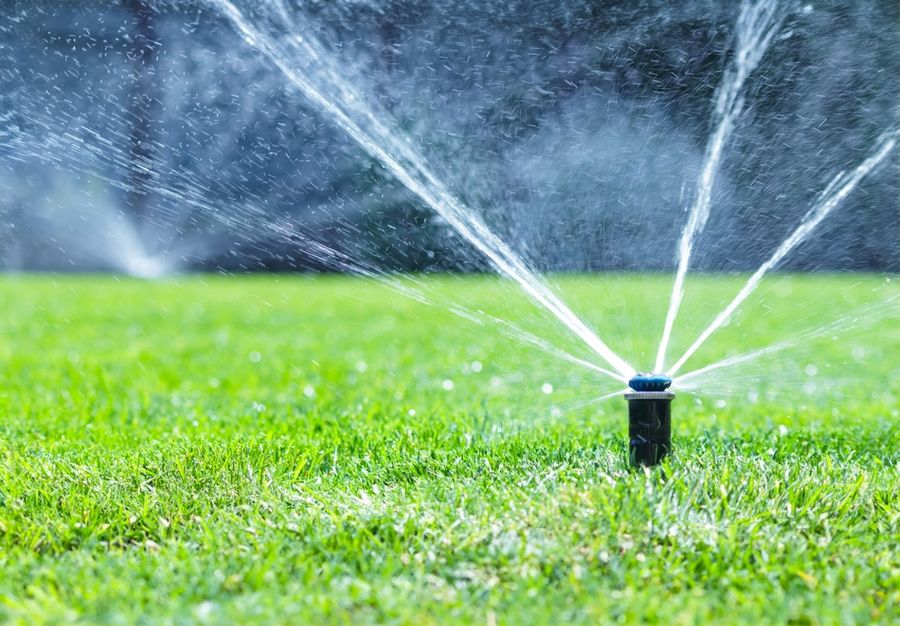
Smart irrigation timers are becoming a popular upgrade for homes across the United States because they help reduce water waste while keeping lawns and gardens healthy. Innovative devices adjust watering schedules based on weather changes, soil moisture, and the needs of different plants. By automating daily watering tasks, homeowners can cut down on guesswork and prevent overwatering. By understanding what to expect regarding installation and results, you can benefit from smart irrigation timers without hiring a professional.
Understanding How Smart Irrigation Timers Work
A smart irrigation timer connects to your existing sprinkler control system and uses data from the internet, local weather stations, or outdoor sensors. This helps the timer decide when your plants really need water. Many models also connect to mobile apps, making it easy to check schedules or adjust settings from anywhere. You can set up zones for different parts of your yard, which allows you to tailor watering based on shade, soil type, and plant variety.
These timers help save water by skipping watering cycles when rain is expected or when soil already has enough moisture. In addition, many models track your water usage so you can see how often the system runs and make changes if needed.
Preparing for Installation
Before you begin installing your new smart timer, take a moment to find your current irrigation controller. It is often located in a garage, shed, or outdoor utility area. Make sure the power is turned off before removing anything. Next, snap a photo of the existing wiring inside your current controller. This simple step helps you match wires correctly when moving them to the smart timer.
You will also want to check your Wi-Fi signal strength in the area where the timer will be installed. A weak signal can cause connection problems. If needed, consider using a Wi-Fi extender to improve coverage.
Step-by-Step Installation
Start by removing the old controller from the wall. Most units lift off easily once the faceplate is removed. Keep the wires exposed and organized. Smart irrigation timers typically have labeled ports inside the device that match the wires from your existing system.
Connect each wire to the correct terminal by matching it to the photo you took earlier. For example, wires labeled “Common,” “Zone 1,” and “Zone 2” will connect to similar labels on the new device. Once the wires are secure, mount the smart timer to the wall using the hardware that comes with the unit.
Now you can turn the power back on and follow the instructions on the device’s screen or app setup process. Many smart timers walk you through naming your zones, setting watering days, and linking to weather data. The app may also guide you through testing each zone to ensure the sprinklers turn on correctly.
In most homes, the setup process takes less than an hour. Once everything is connected, your smart irrigation system will start making adjustments on its own based on the conditions in your area.
Tips for Maximizing Water Savings
When trying to save as much water as possible, it helps to explore your timer’s advanced settings. Weather-based adjustments can reduce watering frequency during cooler months. Soil-type selection is useful if your yard includes a mix such as clay, sand, or loam. Many devices also offer seasonal adjustments that automatically lower watering times during fall and winter.
You can also walk through your yard once in a while to check for leaks, clogged sprinkler heads, or areas where water pools. Even the smartest timer cannot compensate for broken hardware, so quick inspections help keep the entire system running well.
Integrating Optional Sensors for Greater Precision
Many smart irrigation timers support add-on sensors that provide even more accurate watering control. Soil-moisture probes, for example, measure hydration levels at the root zone, allowing the timer to delay watering until the ground genuinely needs it.
Flow sensors can detect unusual spikes in water usage caused by leaks or damaged pipes, helping prevent waste and protecting your landscape from flooding. Some homeowners also install rain or freeze sensors, which automatically pause the system during storms or when temperatures drop too low for safe irrigation. Adding these accessories is usually straightforward and can significantly improve both water efficiency and system reliability.
Smarter Watering for a More Efficient Home
Installing a smart irrigation timer is a practical and worthwhile upgrade that can reduce water use without sacrificing a healthy landscape. With simple installation steps and helpful automation features, these devices take the stress out of managing your yard’s watering needs. By letting real-time weather and soil data guide the schedule, you can enjoy a greener lawn, lower water waste, and a more efficient home.