

Understanding your soil’s pH is one of the most important steps in growing healthy plants, whether you tend a backyard garden or maintain a few flower beds. Soil pH affects how well plants absorb nutrients, how strong their roots grow, and how resistant they are to stress. Many homeowners in the United States test and adjust soil pH themselves using basic tools and simple techniques. With the right approach, you can create better growing conditions and support stronger, more productive plants.
Why Soil pH Matters
Soil pH measures how acidic or alkaline the soil is. The scale runs from 0 to 14, with 7 considered neutral. Most plants grow best in soil that is slightly acidic to neutral, but some species prefer more acidic or alkaline conditions. When pH is too low or too high, plants may have trouble absorbing key nutrients like nitrogen, phosphorus, and potassium—even if those nutrients are present.
Different plants have different pH needs. For example, blueberries and azaleas prefer acidic soil, while many vegetables do well in a more neutral range. Understanding the preferred pH range for your plants helps you decide whether your soil needs adjustment. Learning your soil’s pH also helps you avoid wasting time or money on fertilizers that may not work well in the wrong conditions.
Simple Ways to Test Soil pH at Home
Testing soil pH at home is easier than many people expect. One option is to use a soil test kit found in most garden supply stores. These kits usually include test tubes and powders that change color when mixed with soil. By comparing the color to a chart, you can estimate your soil’s pH level.
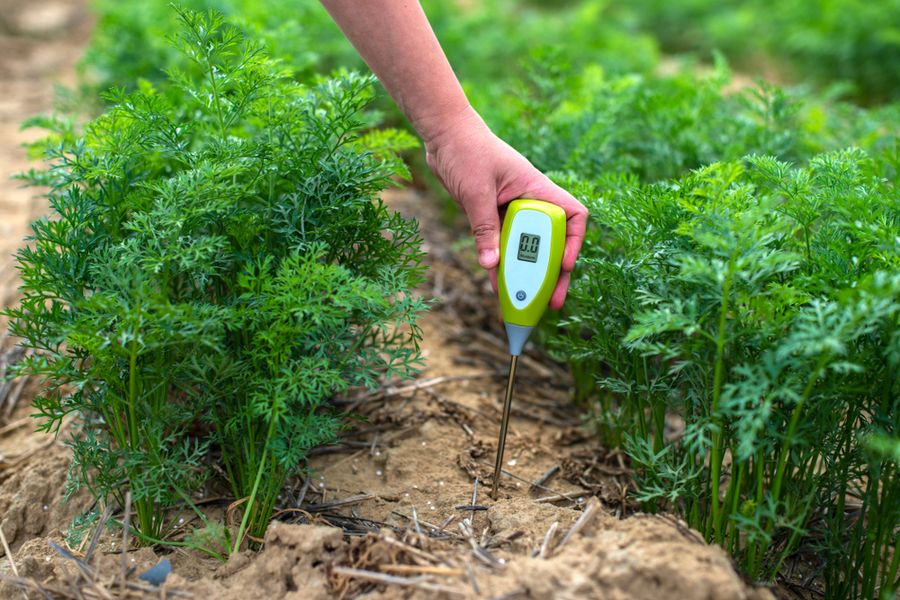
Another common method is using a digital soil pH meter. These meters measure pH using a metal probe inserted into moist soil. They offer fast results and are helpful for testing multiple spots in your yard. Before using a meter, it’s important to clean the probe and follow the instructions closely to ensure accurate readings.
Here are two helpful testing tips:
- Test soil from more than one area, since pH can vary from spot to spot.
- Test at least once a year, ideally before planting season begins.
Consistent testing helps you understand how your soil changes over time and how well your improvement efforts are working.
How to Raise Soil pH (Reduce Acidity)
If your soil is too acidic, you can raise the pH by adding materials that contain calcium or magnesium. One common option is garden lime, which works slowly but provides long-lasting results. Pelletized lime is easier to spread, while powdered versions work a bit faster. It’s important to apply lime evenly and water the soil afterward to help it absorb.
Wood ash can also help raise soil pH, although it should be used carefully. Because ash is strong and fast-acting, applying too much can push pH too far in the opposite direction. Always test your soil again after using ash or lime to see how much the pH has changed. Making small adjustments over time is usually safer than trying to correct the pH in one step.
How to Lower Soil pH (Increase Acidity)
If your soil is too alkaline, adding organic materials is a good way to increase acidity. Compost made from pine needles, coffee grounds, or oak leaves can gradually lower pH while improving soil structure. Another helpful option is elemental sulfur, which reacts with soil bacteria to produce a mild acid. This process takes time, so changes may not be noticeable right away.
Some gardeners also use soil acidifiers designed specifically for plants that need more acidic conditions. These products contain ingredients that lower pH more quickly, but they should always be applied according to instructions. As with raising pH, it’s best to make gradual changes and retest the soil periodically to avoid overcorrecting.
Better Soil Starts With Understanding pH
Testing and improving soil pH at home helps create the right environment for strong, healthy plant growth. When you know your soil’s pH, you can make informed decisions about fertilizers, plant selection, and amendments.
Adjusting pH does not require advanced tools—just patience, routine testing, and small changes over time. By keeping soil pH in the ideal range for your plants, you support better nutrient absorption, deeper roots, and more successful gardening throughout the year.