

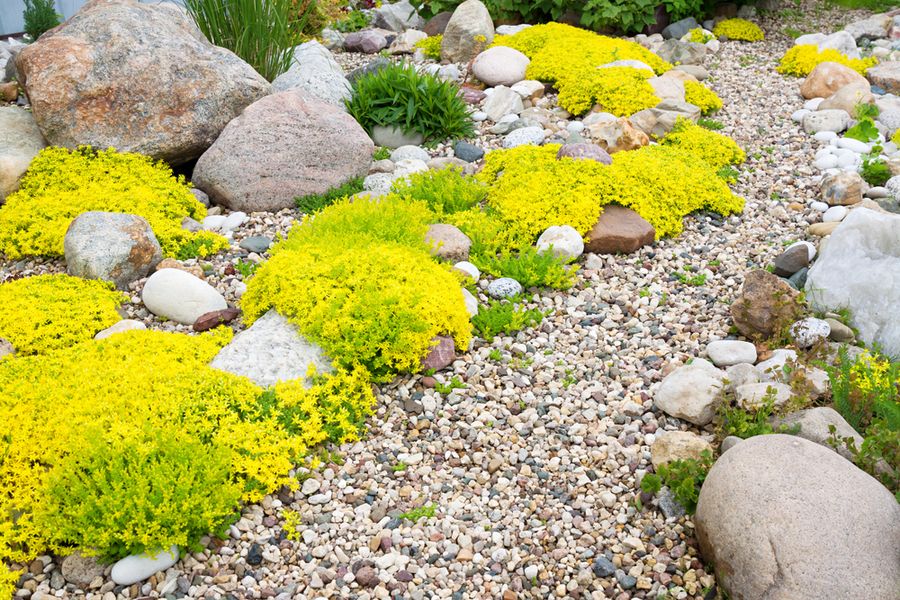
A low-maintenance rock garden is a smart and attractive way to bring natural beauty to your yard while reducing water use and upkeep. Many homeowners in the United States are turning to rock gardens because they thrive with minimal care and perform well in hot, dry climates. Combining stones, gravel, and drought-tolerant plants can create a landscape that stays appealing throughout the year. Understand how to build a rock garden that looks great and saves time.
Planning the Perfect Rock Garden
Before you begin placing rocks or choosing plants, take time to plan your layout. A rock garden works best on a slope, a sunny corner, or an area where grass struggles to grow. These spaces often collect heat and drain quickly, which is ideal for drought-tolerant plants.
Start by observing how the sunlight moves across your yard. Most rock garden plants prefer at least six hours of sun each day. Next, think about the style you want. Some gardens mimic natural mountain landscapes, while others follow a more modern, structured look. Planning ahead helps you decide which rocks, shapes, and plants will work best together.
Building a Strong Foundation With Rocks and Soil
Once you have a plan, it’s time to prepare the area. Begin by removing existing grass, weeds, or debris. A clean foundation helps your new plants settle in easily. Rock gardens need well-draining soil, so mix in sand or small gravel if your soil holds too much water. This step is essential for preventing root rot in drought-tolerant plants.
Arrange your rocks before planting anything. Use a combination of large stones, medium rocks, and smaller gravel to build a natural-looking structure. Larger stones can act as anchors that create small pockets of shade and wind protection for plants. Smaller rocks help fill gaps and create pathways for water to drain. After placing the rocks, step back and look at the overall shape. Adjust them until the layout feels balanced and visually appealing.
Choosing the Right Drought-Tolerant Plants
Selecting plants that naturally survive with little water is the key to a successful low-maintenance rock garden. Many drought-tolerant varieties have deep roots, thick leaves, or waxy coatings that help them retain moisture.
Popular choices include succulents like hens-and-chicks, hardy sedums, and stonecrop varieties. These plants come in many colors and shapes, making them perfect for adding texture to rocky areas. In addition, consider using lavender, yarrow, sage, and certain ornamental grasses, which grow well in sunny, dry conditions.
Two simple plant-selection tips include:
- Choose plants with similar water and sunlight needs to keep maintenance easy.
- Mix different heights and textures to create a fuller, more interesting design.
By choosing species suited for your climate, you will spend less time watering and more time enjoying the garden.
Planting and Maintaining Your Rock Garden
After choosing your plants, place them in the garden while still in their pots. This allows you to test spacing and make sure everything fits the way you imagined. Once satisfied, start planting. Dig small holes between rocks, add a little compost if needed, and position the plants securely. Finish by adding a layer of gravel or small stones around the base of each plant to help keep moisture in and suppress weeds.
Maintenance for a rock garden is simple. Watering is needed only when plants are young or during long dry periods. Once established, drought-tolerant plants require very little attention. Pull any weeds that appear and trim back plants that grow too quickly. A quick inspection every few weeks helps keep your garden tidy and healthy.
Because the rocks help retain heat and reduce soil erosion, your garden will stay stable through changing seasons. As the plants mature, they often spread and soften the look of the rocks, creating a natural and peaceful landscape.
A Beautiful Garden With Lasting Benefits
Creating a low-maintenance rock garden with drought-tolerant plants is a practical way to beautify your yard while conserving water and reducing ongoing care. With thoughtful planning, the right materials, and plants suited for dry conditions, you can build a garden that stays attractive year-round.
Rock gardens bring texture, color, and structure to your landscape without demanding constant attention. For homeowners looking for a long-lasting and easy-to-manage outdoor space, this type of garden offers both function and visual appeal.